

SEO Tools Featured in the
SEOToolSet®
The SEOToolSet software focuses on search engine optimization, period. The tools and reports give SEOs the in-depth facts they need, without extra noise. No other tool set provides more thorough data and analysis to inform your SEO efforts. Scan the SEOToolSet features below to discover what’s inside this powerful suite of SEO tools:
SEOToolSet™ Features Preview
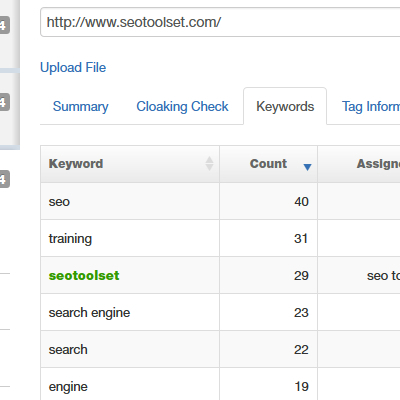
Analyze On-Page SEO
Our most frequently used tool, the Single Page Analyzer, analyzes any webpage or HTML file. Use it to get in-depth statistics, charts, a content score, and color-coded warnings based on SEO best practices. A new option lets you include/exclude JavaScript on the page. Run this tool to help with on-page optimization as you analyze:
Our most frequently used tool, the Single Page Analyzer, analyzes any webpage or HTML file. Use it to get in-depth statistics, charts, a content score, and color-coded warnings based on SEO best practices. A new option lets you include/exclude JavaScript on the page. Run this tool to help with on-page optimization as you analyze:
- Keyword usage and distribution
- Tags and headings
- Linking and anchor text
- Readability
- Any problems with cloaking
- JavaScript rendering
- Mobile friendliness, and much more
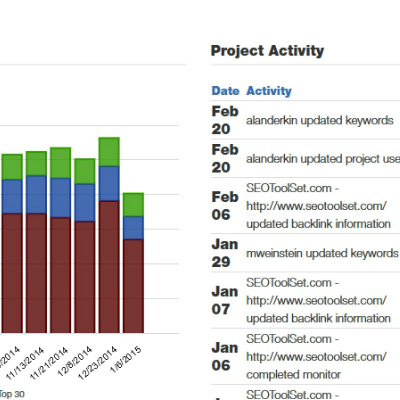
Track Projects & Collaborate with Your Team
Account administrators can authorize an unlimited number of users to access their SEOToolSet projects. An all-in-one Project Dashboard shows the status of every project and recent activity so multiple team members can see what has been done. A bar graph shows your site’s search engine ranking movements at a glance.
Account administrators can authorize an unlimited number of users to access their SEOToolSet projects. An all-in-one Project Dashboard shows the status of every project and recent activity so multiple team members can see what has been done. A bar graph shows your site’s search engine ranking movements at a glance.
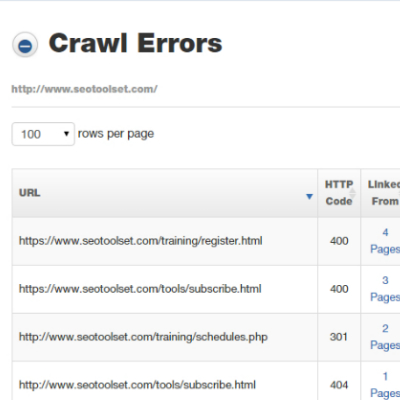
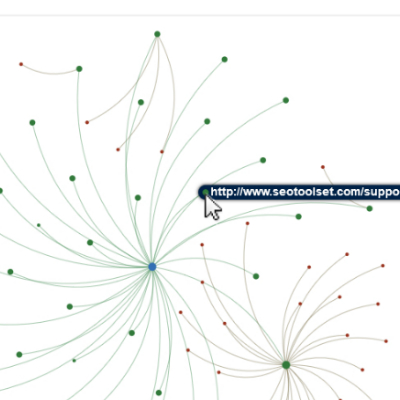
Crawl Your Own Site
Only the SEOToolSet provides a dramatic, visual picture of a site’s internal structure. A proprietary site spider auto-crawls your website just as the search engines do, down to five clicks deep, to populate the Link Graph and Meta Details report. The spider also identifies any issues that may impact your site’s indexability. You can download this Crawl Errors report as a CSV file so that you can fix any problems.
Only the SEOToolSet provides a dramatic, visual picture of a site’s internal structure. A proprietary site spider auto-crawls your website just as the search engines do, down to five clicks deep, to populate the Link Graph and Meta Details report. The spider also identifies any issues that may impact your site’s indexability. You can download this Crawl Errors report as a CSV file so that you can fix any problems.
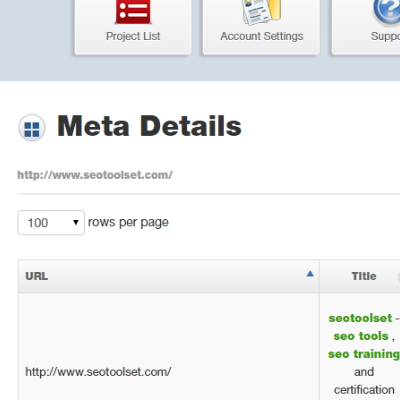
Search Meta Details Sitewide
Make short work of optimizing your critical on-page components. The new Meta Details report lets you see all titles, meta tags, H1 tags and canonical elements throughout your website in a sortable, searchable table that can be exported. You can swiftly locate missing meta information, duplicate titles, and more sitewide.
Make short work of optimizing your critical on-page components. The new Meta Details report lets you see all titles, meta tags, H1 tags and canonical elements throughout your website in a sortable, searchable table that can be exported. You can swiftly locate missing meta information, duplicate titles, and more sitewide.
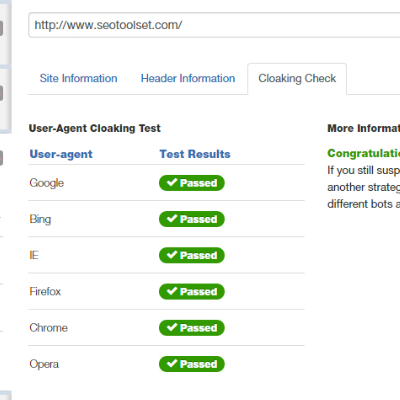
Check Server Health
A straightforward Site Checker tool checks your server header, detects follows and redirects, exposes performance issues, displays the robots.txt file and checks for user-agent cloaking. You can use it to help with regular site maintenance. It even enables you to examine the health of a competitor’s site.
A straightforward Site Checker tool checks your server header, detects follows and redirects, exposes performance issues, displays the robots.txt file and checks for user-agent cloaking. You can use it to help with regular site maintenance. It even enables you to examine the health of a competitor’s site.
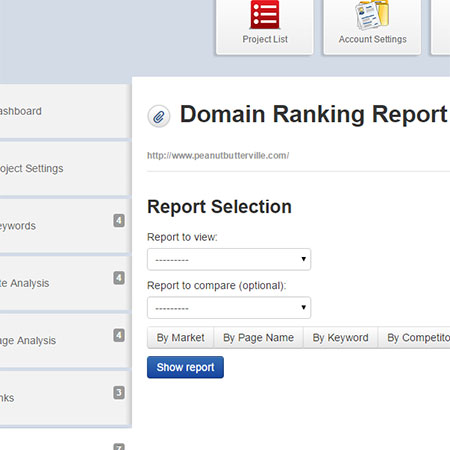
Monitor Your Search Engine Rankings
SEOToolSet has the fastest search engine Ranking Monitor on the market.
SEOToolSet has the fastest search engine Ranking Monitor on the market.
- Run the monitor on demand, or set it and forget it. The Ranking Monitor can automatically run on a schedule, so you can track how your rankings fluctuate over time.
- Get unfiltered and unbiased ranking data across Google and Bing.
- Choose from dozens of search engine market areas worldwide where you need to monitor rankings (perfect for international SEO).
- Compare SEO progress over time, creating comparison reports that can be printed and easily exported.
- See which keywords your site is ranking for and which pages are ranking using Domain Ranking reports by keyword or by page.
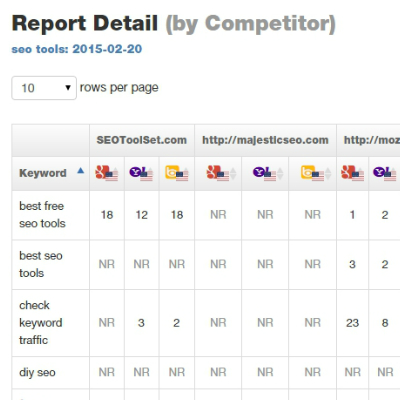
Track Competitor Rankings
Competitor Ranking reports let you store keyword ranking monitor data for your own pages as well as competitors. Want to add a competitor that’s just come on your radar? No problem; the SEOToolSet tracks all the top-ranked sites, so the new competitor’s past data can be added retroactively. Flexible, powerful reports let you compare by page, by keyword, by competitor or even across markets.
Competitor Ranking reports let you store keyword ranking monitor data for your own pages as well as competitors. Want to add a competitor that’s just come on your radar? No problem; the SEOToolSet tracks all the top-ranked sites, so the new competitor’s past data can be added retroactively. Flexible, powerful reports let you compare by page, by keyword, by competitor or even across markets.
Do Competitor Research
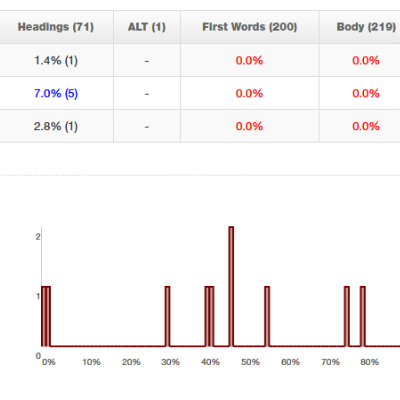
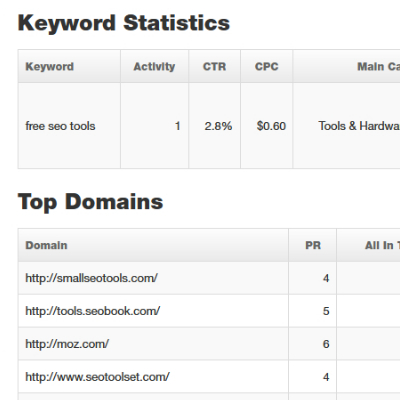
Find out who your competitors are across search engines for your keyword topic. The Research Summary report reveals unbiased data about top-ranked domains and pages to help you compete. You can choose competitors from this SEO tool to analyze in the Multi Page Analyzer, as well.
Find out who your competitors are across search engines for your keyword topic. The Research Summary report reveals unbiased data about top-ranked domains and pages to help you compete. You can choose competitors from this SEO tool to analyze in the Multi Page Analyzer, as well.
Research Keywords
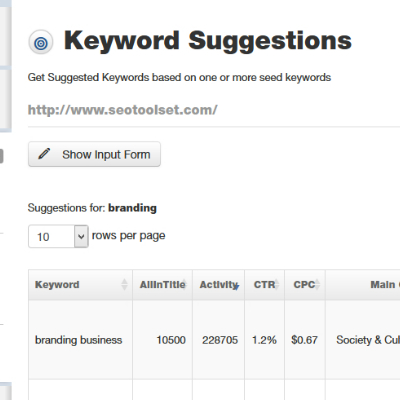
A powerful Keyword Suggestions tool finds terms semantically related to a seed keyword phrase and shows search activity, three metrics to measure competitiveness, categories and a trending chart for each. This is not your average keyword research tool. Use it for:
A powerful Keyword Suggestions tool finds terms semantically related to a seed keyword phrase and shows search activity, three metrics to measure competitiveness, categories and a trending chart for each. This is not your average keyword research tool. Use it for:
- SEO research
- Content planning
- Discovering word associations for video descriptions
- Finding keywords you might want to exclude from your PPC campaign, and more.
Watch Your Backlinks
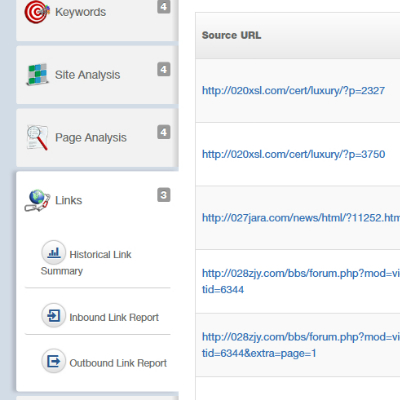
Some powerful features are yours because SEOToolSet™ is integrated with Majestic, one of the leading link analysis providers. You can create Link Reports to analyze your site’s backlinks based on a fresh index, not historic. You can monitor your Trust and Citation Flow and identify your weakest inbound links before they get your site in trouble. Another tool lets you review your outgoing links to maintain a clean link profile both in and out.
Some powerful features are yours because SEOToolSet™ is integrated with Majestic, one of the leading link analysis providers. You can create Link Reports to analyze your site’s backlinks based on a fresh index, not historic. You can monitor your Trust and Citation Flow and identify your weakest inbound links before they get your site in trouble. Another tool lets you review your outgoing links to maintain a clean link profile both in and out.
Raise Your WordPress SEO to the Next Level
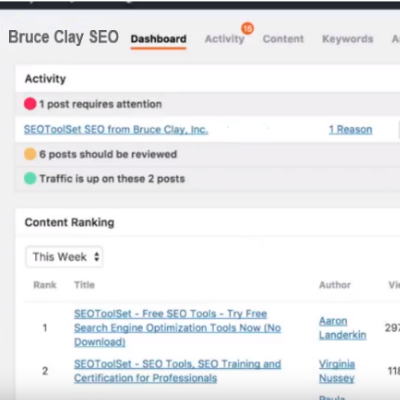
Bruce Clay SEO plugin for WordPress
Bruce Clay SEO plugin for WordPress
Powered by the SEOToolSet, the new Bruce Clay SEO plugin can analyze SERPs in real-time to provide on-page guidance per keyword. Analytics are also integrated so that you can see how each post is performing.
Having these real-world SEO insights right within WordPress will change the game for WordPress content creators. Click to see the Bruce Clay SEO plugin demo video for details!